
As we gear up for a new season of outdoor activities such as skiing, snowboarding, skating, hockey, and so many more, it’s the perfect time to make sure your helmet is ready to keep you safe! Before you head out, our physiotherapists at Motion Works Physiotherapy Orleans share key tips to ensure your helmet fits properly and provides the protection you need.
Why Does a Proper Fitting Helmet Matter?
A helmet can only protect you if it fits the way it is designed to. Even small sizing or positioning issues can reduce its ability to absorb impact and keep you safe during falls or collisions. A proper fitting helmet matters because it:
- Ensures maximum impact protection by keeping the helmet in the correct position during a fall or sudden movement.
- Reduces the risk of head, brain, and facial injuries by distributing force effectively.
- Prevents the helmet from shifting or slipping, which can block your vision or leave parts of your head exposed.
- Improves comfort, making it more likely that you’ll wear it consistently and correctly.
Did You Know?
Helmets are designed with strict safety standards, yet their ability to protect you drops sharply when they’re not fitted correctly. Many preventable head injuries occur simply because a helmet was the wrong size, worn incorrectly, or damaged.
- Head injuries are among the most common injuries in cycling, skiing, and skating accidents, and many occur when helmets are loose or poorly positioned.
- Wearing a properly fitted helmet can significantly reduce the risk of serious head and brain injuries, including concussions.
- Loose straps increase the chance of the helmet shifting on impact, which can reduce protection and increase injury severity.
- Most helmets have a limited lifespan, as materials can weaken over time and offer less protection, even without visible damage.
- After any significant impact, a helmet should be replaced because internal damage that affects protection may not be visible.
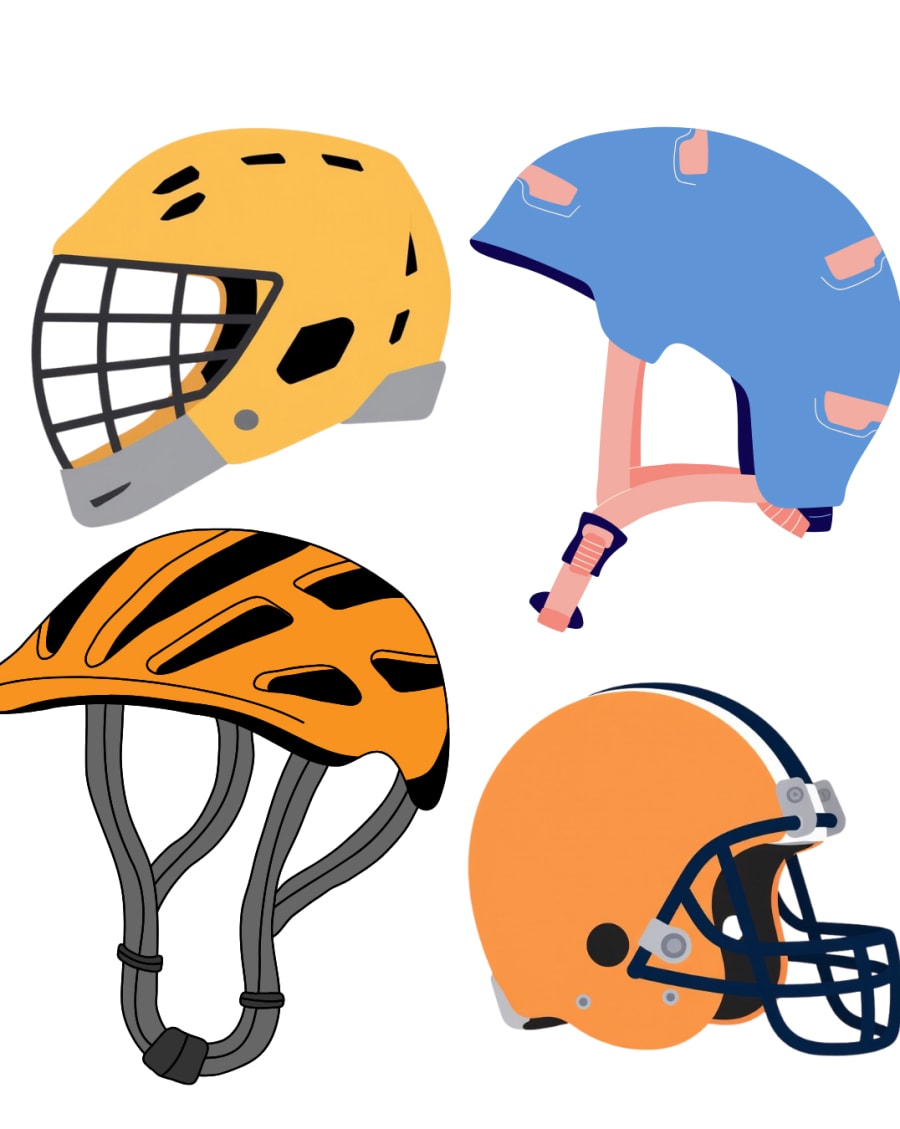
Top Helmet Fitting Mistakes
Even with the best helmet, small fitting errors can limit how well it protects you. Knowing the most common mistakes can help you avoid them and ensure your helmet performs the way it is meant to. Common helmet fitting mistakes include:
- Wearing a helmet too far back, leaving the forehead exposed and increasing the risk of facial and frontal head injuries.
- Choosing the wrong size, which can cause the helmet to wobble, shift or sit incorrectly.
- Not adjusting the retention system (dial or strap inside the helmet), leading to a loose or unstable fit.
- Straps that are too loose or uneven, preventing the helmet from staying in place during sudden movements or impact.
- Wearing hats, thick headbands, or bulk hairstyles underneath, which can lift the helmet and reduce protection.
- Using an old or previously damaged helmet, which may no longer provide adequate shock absorption.
How to Choose the Right Helmet?
Picking the right helmet goes beyond style, it is about finding one that matches your activity, fits your head shape, and meets proper safety standards. Taking a few extra minutes during helmet selection can make a big difference in long-term comfort and protection. When choosing a helmet, keep the following in mind:
- Check for safety certifications, such as CSA, ASTM, or CPSC, depending on the activity.
- Choose a helmet designed for your sport, as impact patterns and protection levels differ (e.g., biking vs. skiing).
- Measure your head circumference and compare it to the manufacturer’s sizing chart to find the correct size.
- Try on multiple brands and models, since helmets vary in shape and may fit differently even at the same size.
- Look for an adjustable retention system (like a dial fit), which helps fine-tune comfort and stability.
- Ensure the helmet feels snug but not tight, with even pressure all around your head.
Wearing a properly fitted helmet is key to preventing injuries, but if you experience pain or strain from an accident or activity, our physiotherapists at Motion Works Physiotherapy Orleans can help! Contact us to book an assessment and get guidance on recovery and staying safe. We are happy to assist you!